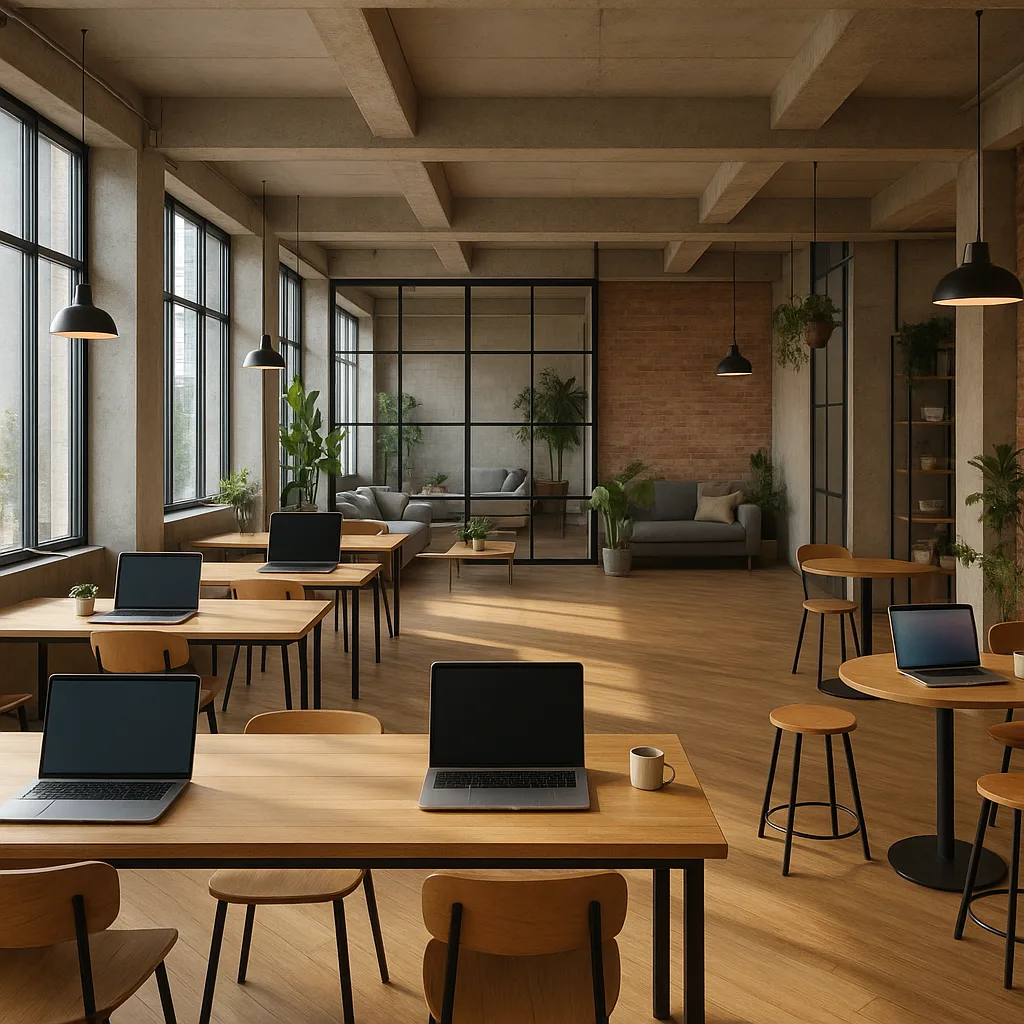

Why choose a coworking space when you travel?
As a long-term traveler and digital nomad I’ve tried coffee shops, hotel lobbies, and sleeping with my laptop on my knees. Coworking spaces are the middle ground that actually lets you be productive, meet other people, and keep a predictable work setup—even if you’re changing cities every few weeks.
- Reliable Wi‑Fi and power outlets—so you’re not hunting for a seat with an outlet at 9 a.m.
- Professional environment for calls and focused work.
- Built-in community: events, happy hours, and colleagues to swap tips with.
- Access to meeting rooms and printers when you need them.
- Flexibility: day passes, hourly rooms, or short monthly plans.
Types of coworking spaces—and which fits you
Not all communal work spaces are created equal. The right one depends on your needs: quiet solo work, networking, client meetings, or a social base while you explore a city.

- Large chains (Regus, Industrious, Spaces): professional, reliable, lots of locations; often pricier and less intimate.
- Community-driven (local hubs, neighborhood co-ops): friendlier, events-focused; can vary in consistency and facilities.
- Nomad hubs & boutique (Selina, Outsite, Hubud): great for travelers—mix of accommodation and coworking.
- Hybrid café-style (quiet cafés with desks): cheap but noisy and unreliable for long calls.
- Industry-specific (design studios, biotech incubators): ideal if you want sector networking.
Quick examples
- Regus: huge global footprint, quick day passes, often in office towers.
- Industrious: hospitality-first, polished lounges, monthly memberships with perks.
- Spaces: modern layouts, mix of hot desks and private rooms, event programming.
- Cokarma coworking space: a smaller, community-focused brand you’ll find listed in some Asian and Indian cities—worth checking reviews and photos.
How to pick the right coworking space: a checklist
When you search for "co space working" or “coworking space” you’re deciding between convenience, cost, and community. Use this checklist to test any space in 30–60 minutes.
- Location: close to your accommodation or public transit.
- Price model: day pass, weekly, monthly, or pay-as-you-go.
- Wi‑Fi speed: ask for a speedtest or try it yourself (aim for 30+ Mbps for video calls).
- Noise level: quiet zone, open-plan, or event nights?
- Meeting rooms: availability and hourly rates ($10–$50/hr common).
- Community/events: does the space host meetups you care about?
- Security & lockers: safe storage for gear while you explore the city.
- Extras: coffee quality, printing, showers, mail handling.
Day passes vs dedicated desks vs private offices
- Day pass: best for testing a space or one-off days; typically $5–$45 depending on city.
- Hot desk: flexible and cheaper monthly option for regular visits.
- Dedicated desk: your own desk and storage; ideal if you plan to stay a month or more.
- Private office: for teams or if you need total privacy—costs jump significantly.
Costs and what to expect (real-world price guide)
Prices vary wildly by city. Below are typical ranges in USD I’ve observed across several trips. Use these as a baseline when budgeting.

- New York (Manhattan): day pass $25–45; monthly hot desk $350–700; dedicated desk $600–1,200.
- Lisbon: day pass $15–25; monthly $120–320; meeting rooms $12–30/hr.
- Chiang Mai: day pass $5–10; monthly $50–120.
- Medellín (El Poblado, Laureles): day pass $8–15; monthly $80–200.
- Bali (Canggu, Ubud): day pass $5–15; monthly $60–200; popular nomad hubs may be pricier during high season.
- Barcelona (Eixample, Poblenou): day pass $15–25; monthly $120–350.
Additional fees to watch for:
- Meeting room charges: $10–50/hr depending on size and location.
- Printing & scanning: often $0.05–0.20/page.
- Locker access or mail handling: small monthly fees.
- Cleaning or deposit for longer-term rentals.
Practical tips for digital nomads and solo travelers
From packing to meeting clients, these are the things I wish I’d known on my first three-month nomad stint.
- Always carry a compact Ethernet adapter—Wi‑Fi can be flaky and a wired connection is gold for long calls.
- Bring a noise-cancelling headset: even “quiet” spaces have coffee-machine hours and scrappy meetings.
- Test the space before committing to a monthly plan—use a day pass and attend an event to feel the vibe.
- Use Nomax to find other travelers working nearby or to join spontaneous after-work meetups; it’s a great way to socialize outside the space.
- Protect your gear: use a cable lock and check if the space provides lockers or a secure area.
Daily routine tips
- Morning: arrive early (8–9 a.m.) for the best seats and fewer background calls.
- Midday: book a meeting room if you need focus—many spaces release rooms for free or at a discount during late afternoons.
- Evening: join community events to meet colleagues and other travelers; Nomax can help coordinate group dinners or co-exploring sessions.
How to tell Regus, Industrious, Spaces and local hubs apart
If you’re comparing big brands to smaller communal spaces, here’s what to expect.

- Regus: Widest global coverage—great for business travelers who want a reliable mail address and professional meeting rooms. Pros: predictability and many locations. Cons: less social vibe and can feel corporate.
- Industrious: Known for hospitality and polished lounges. Pros: comfortable, events, high-quality furnishings. Cons: typically pricier than basic chains.
- Spaces: Trendy interiors and flexible layouts. Pros: creative energy and events. Cons: variable by location.
- Local community hubs: Best for networking in niche scenes (tech, creatives). Pros: stronger sense of belonging. Cons: inconsistent facilities and fewer locations.
Which to choose?
- If you need consistency across cities and a professional image for client meetings: go Regus or Industrious.
- If you want to build local networks and prefer smaller groups: try local hubs or community-driven spaces.
- If price is the main factor: compare day passes and monthly promotions—many spaces offer significant discounts for the first month.
Avoid scams and common mistakes
Not everything labeled a coworking space deserves your trust. Here are red flags and a simple testing routine.
- Fake listings: Scammers sometimes repost photos and addresses. Verify via Google Street View and recent Google Maps reviews.
- Hidden fees: Ask about deposits, cleaning fees, and capped hours for day passes.
- Overcrowding: Some spaces oversell day passes and end up packed—ask typical capacity and peak hours.
- Poor security: No lockers or unclear access control is a risk for travelers with expensive gear.
How to test a space in 30 minutes
- Arrive and inspect: Is the front desk staffed? Is the space clean?
- Run a speed test: Try a 30-minute video call or use speedtest.net; results under 10–15 Mbps for uploads often cause issues.
- Check the vibe: Are people working quietly or are events creating noise? Sit for an hour if possible.
- Ask about community events and the manager’s contact—good spaces will be transparent and friendly.
How to use Nomax with coworking spaces
Nomax is built for travelers who want company and local tips. Here are practical ways to combine the app with coworking.
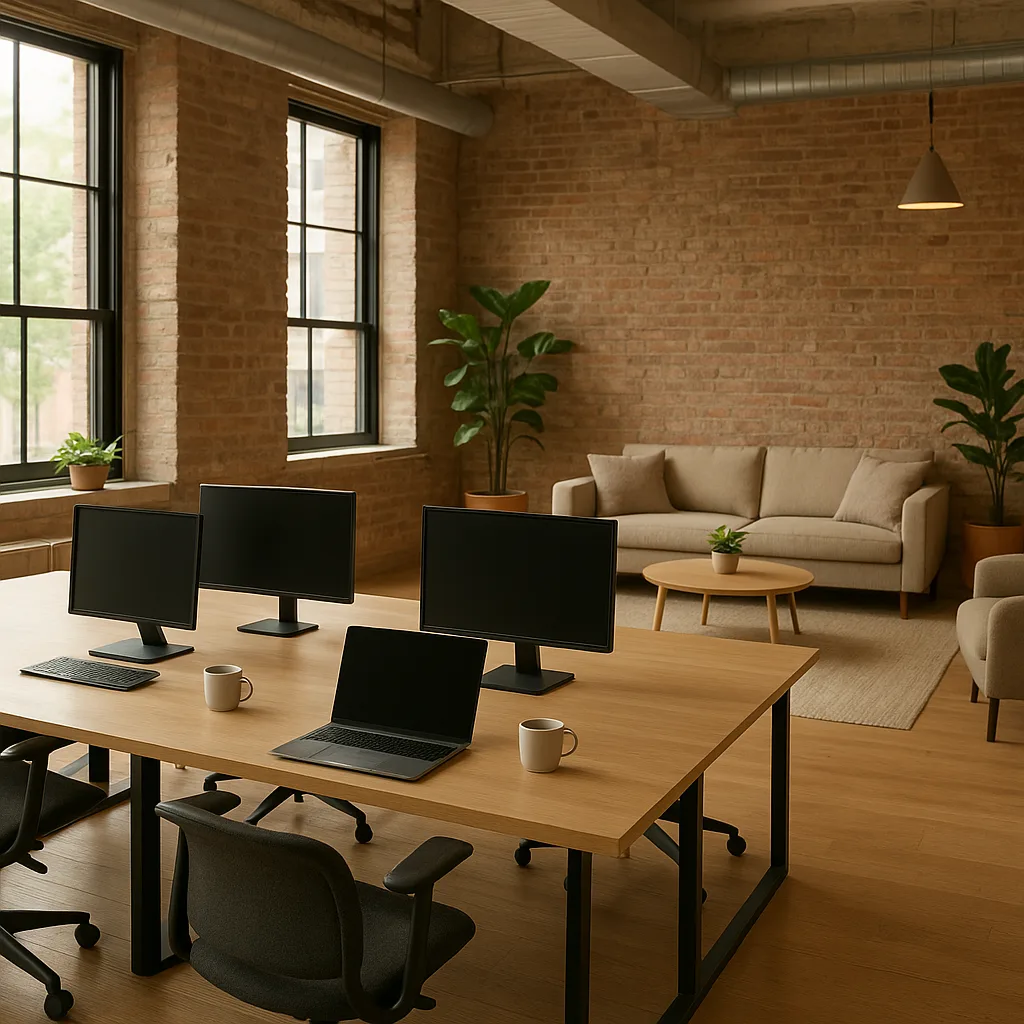
- Find fellow travelers who plan to work at the same coworking space that day—great for lunch or after-work plans.
- Post a spontaneous meetup: "Heading to Industrious in Brickell at 6 p.m. for a drink—anyone want to join?"
- Exchange gear or service recommendations: ask locals about the best printers, nearby cafés for calls, or safe bike storage.
On several trips I used Nomax to find a walking partner after a long day at a coworking hub—turns out co-working doesn’t have to mean co-isolating.
Conclusion
Coworking spaces are one of the best shortcuts to a productive, social travel life. Whether you pick a global brand like Regus or Industrious for consistency, or a local hub for community and flavor, do your homework: test the Wi‑Fi, check reviews, use a day pass, and remember to meet people (Nomax is a great tool for that). With the right space, you’ll get work done, meet new friends, and have an easier transition when you land in the next city.
Frequently asked questions
- How much does a typical day pass cost?
- Day passes range from about $5 in low-cost cities to $45+ in expensive centers. Typical mid-range cities fall between $10–$25; check for discounts.
- Are coworking spaces safe for my equipment?
- Reputable spaces usually provide lockers, staffed reception, and CCTV. Still use a laptop cable lock and keep valuables close when possible.
- Can I use a coworking space just for calls?
- Yes—many spaces offer quiet booths or bookable meeting rooms for calls and client meetings, usually billed hourly.
- How do I find community-focused coworking spaces?
- Look at local coworking directories, the space’s event calendar, and social media groups for freelancers. Community hubs advertise workshops and meetups.
- Is it better to join a chain like Regus or a small local space?
- Chains provide consistency across cities; local spaces often offer stronger networking. Choose based on whether you prioritize predictability or community.
- What are typical meeting room rates?
- Meeting rooms usually cost $10–$50 per hour depending on location and size; expect lower rates in Southeast Asia and higher rates in major financial centers.
- How can Nomax help with coworking?
- Nomax connects you with travelers working nearby, helps you join spontaneous meetups, and lets you exchange tips about local spaces and neighborhoods.
- What are common red flags for a bad coworking space?
- Red flags include fake or inconsistent addresses, no staffed reception, hidden fees, overcrowding, and poor or unreliable Wi‑Fi. Test a space on a day pass first.