

Streetlight, beer foam, and an unfamiliar laugh
The alley behind A Brasileira in Lisbon smelled of sea salt and grilled sardines. I had just left a language exchange in a tiny bookstore where a woman with a scarlet scarf read Portuguese poems aloud and everyone clapped like they were at a small, private concert. Outside, a cluster of people with backpacks leaned over a table in the open-air bar. Someone offered me a sip of their beer—cold, lemon-sliced, and cheap—and we argued for ten minutes about whether port was properly dessert or dinner. Those ten minutes are an orbit. They decide whether you exchange Instagram handles or glide away into the night alone.
Why the first ten minutes matter more than you think
There are two kinds of travel evenings: the ones that begin with a patterned routine—arrive, scan room for friendly smile, attach to a group—and those that begin inside your head, where an inner voice mutters what-if scenarios for the entire night. The secret to turning strangers into companions is not tricks; it is recognition. In those opening minutes you are doing three things at once: assessing safety, discovering an entry point for conversation, and calibrating how public or private the evening will be. You do this differently in Lisbon than in Chiang Mai, or Mexico City than in Tbilisi. The rituals change. The stakes remain human.

Meetup scenes, city by city
Meetup.com, Couchsurfing hangouts, Facebook groups, hostel boards and local cafés each carry their own smell and tempo. Below are my impressions from five cities where I’ve spent significant time. These are not tourist checklists; they are the textures of evenings that repeat across months of travel.
Lisbon: the friendliest hesitance
Lisbon is a love letter written in faded tiles and narrow tram rattle. The city’s social life lives on hills and in late cafés. Language exchanges are the meat of the scene; look for “Lisbon Language Exchange” groups advertised on Facebook and in English-language bookstores such as Ler Devagar. Typical entry is free, or pay a small cover of $2–5 for coffee and a conversation host. Hostel bar beers will be about $3.50 USD; a group food tour of the Alfama district runs $30–50.
People in Lisbon are cautious but curious. Expect polite probing questions about where you’re from and what you think of Saudade. Opening lines often involve a tram anecdote or an attempt to translate a Portuguese idiom. The first ten minutes feel like a negotiation of warmth: lots of smiles, slow laughter, and shared cigarettes and pastries. A night out can easily extend into wandering until dawn—if the language click happens.
Mexico City: a festival of easy entry
Mexico City’s social calendar feels oversized. From food tours in Roma and Condesa to pop-up concerts and rooftop meetups, there’s often something every night. Expect to find Facebook groups like “Expats in Mexico City” and multiple Meetup.com options for cook-alongs and walking tours. A decent hostel beer in Mexico City will be about $2.50 USD. Guided food tours commonly fall between $25–40; a local mezcal tasting can be in the $15–30 range.
Social norms here are warm and immediate. People hug quickly and conversations move from the banal to the intimate within an hour. Language exchanges exist in large bars and small cafés and are typically free. The risk: noise and scale. With so many options, groups can splinter and it’s easy to feel like a face in a crowd. But the pay-off is a high-velocity social life where one evening trades you a dozen new acquaintances.
Chiang Mai: the gentle infrastructure for travelers
Chiang Mai is where nomads and expats build lives around co-working spaces, yoga studios, and digital playlists. Run clubs at night, co-working socials, and language exchanges—often hosted in cafés—create a dependable rhythm. Hostel bar beers here can go for $1.50–2.00 USD; a good cooking class or food tour costs $20–30. Many meetups are free; paid workshops are usually $5–15 to cover space and ingredients.
Chiang Mai’s scene rewards repeat presence. People remember names, and small communities of long-stay travelers make the city feel less like a stopover and more like a temporary home. If you’re introverted, this is one of the friendliest places: the formats favor conversation at an easy tempo, and the culture leans toward smiling patience rather than pushy socializing.
Tbilisi: late nights, quick friendships
Tbilisi moves at its own rhythm. Bars are small, and strangers sit elbow-to-elbow. Many expat and traveler gatherings show up in Facebook groups or local English-language posters. A draft beer in an informal bar will set you back about $2 USD; wine by the glass in a good tavern is $3–5. Organized food walks and small guided tours cost around $20–30.
Here the social currency is hospitality. People are proud to share homemade snacks and brandy. Groups form fast over a shared bottle or a shared rooftop cigarette. The first ten minutes can feel intense, but the payoff is immediate: your new friends will likely push past small talk to share history, family sagas, and invitations to late tableaus of music and dance.
Berlin: the slow-burn network
Berlin is decentralised: scenes are discreet and dispersed. Meetup.com has strong offerings for niche interests—tech meetups, queer parties, and everything in between. Expect a beer in a Kreuzberg bar to be around $4–5 USD. Many niche meetups are free; curated workshops or small gallery events might charge $5–15. Facebook groups and local notice-boards at community centers and co-working spaces are still effective.
In Berlin you’ll encounter people who treat socializing as a project. Conversations are sincere but slow to warm. The first ten minutes often involve a testing of subcultural cues: sartorial choices, music references, political stances. The upside is more enduring friendships; people who take time to open up are often quick to stay in touch once they do.
Organized meetups vs. just showing up
There is a natural tension between curated events and put-yourself-out-there spontaneity. Organized meetups—Meetup.com groups, paid food tours, Couchsurfing hangouts—create a scaffolding that makes the first ten minutes manageable. They give you a name tag, a meeting place, and a moderator to steer conversations. In chaotic or language-frayed cities, this scaffolding can make the difference between an anxious hour and a night of connection.
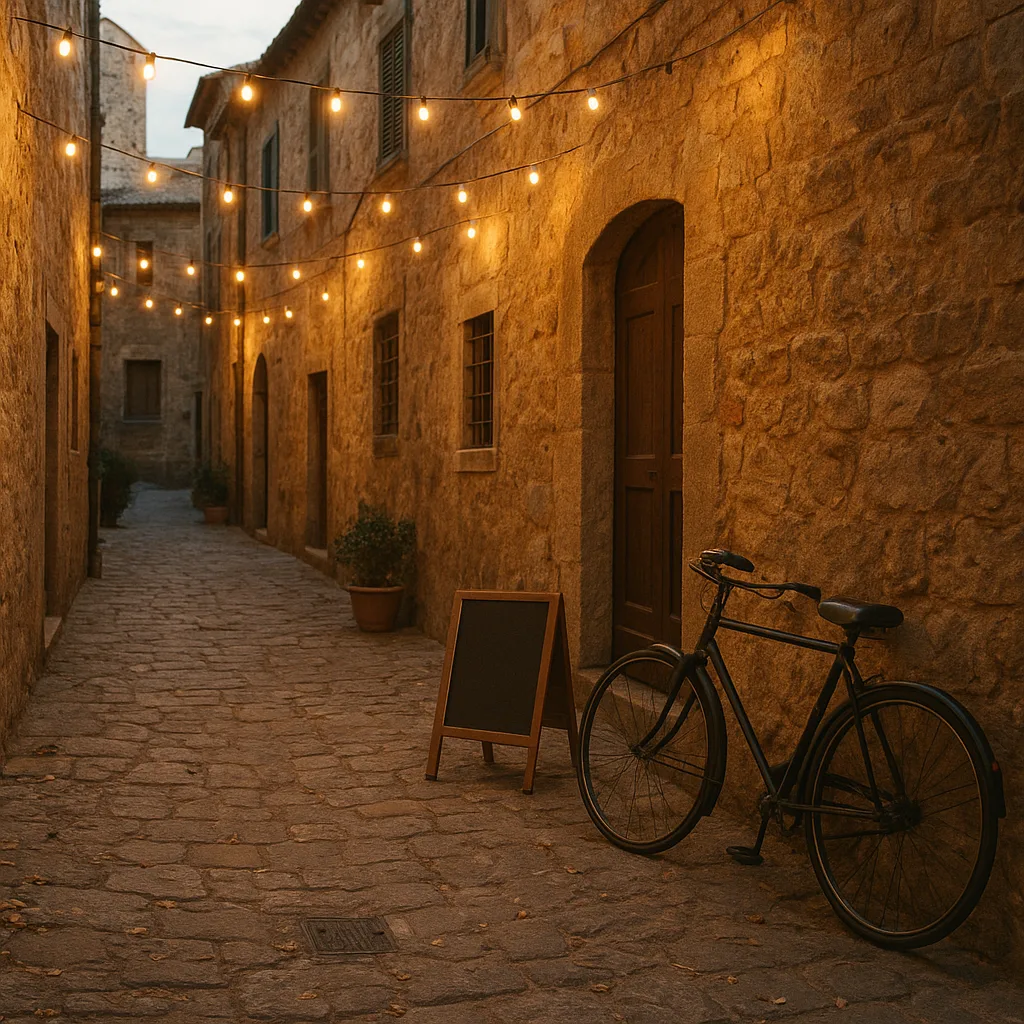
On the other hand, showing up at a hostel bar, a temple courtyard, or a random street festival offers a kind of risk-based reward. Spontaneity increases serendipity. You’re more likely to meet a local who’s not on a Facebook group and less likely to fall into the echo chamber of expats and tourists. My honest verdict: if you’re new to a place, start with organized meetups for the first two nights to build a base. After that, put yourself in unstructured settings—markets, parks, train platforms—where small talk has to be real, and conversations arise from genuine curiosities rather than group agendas.
The anatomy of an evening that worked—and one that didn’t
Worked: A Tuesday in Mexico City. I had signed up for a rooftop mezcal tasting through a Meetup.com group with 25 people. The host—a soft-voiced oenologist—started with five clear rules: listen, taste, ask, don’t dominate, and pass the bottle to the left. Someone from the group knew the bartender and migas appeared on the house. Conversation began with the mezcal: where the agave grew, the differences in smoke. I ended up chatting with a street photographer from Oaxaca who taught me how he shoots in low light, and we spent the rest of the week walking the neighborhoods together. The cost was $20 for the tasting and a couple of beers at $2.50 each. The structures of the event gave us something to talk about immediately; the shared curiosity did the rest.
Didn’t work: An anonymous Friday at a hostel in Chiang Mai. The bar was loud and full; a “meetup” had splintered into three tight clusters and a karaoke machine. I tried to wedge into one of the groups with a question about the sunset yoga spot. The answer was a redirect and then a wall of inside jokes I couldn’t parse. After twenty minutes of nodding politely, I left, feeling oddly conspicuous. Lesson: unstructured spaces can become cliquish. When a group has already sealed itself into private jokes, find an alternative entry—help the bartender, join a board game table, or wait for a lull and ask an open question about the city.
How to treat the awkward first ten minutes
Everyone frets over the opening. The good news is that small mechanics make it easier. Start with a factual prompt: where are you going next? What’s the best meal they’ve had in the city? Compliments that are specific work better than generic ones. Instead of “Nice jacket,” try, “Where did you get that jacket—did you find it here or bring it from home?” If there’s music, ask about the track. If you’re at a language exchange, mispronounce something intentionally and invite correction—self-deprecation opens the floor to kindness.

Watch body language. People who stand with arms open and move closer are signaling welcome. If someone’s gaze keeps darting to exits or their phone, they may be distracted. Offer small, low-commitment invitations first: “We’re heading to a quieter bar after this—want to join for one drink?” Avoid large commitments early: “Come stay at my place” is an overreach. And remember that silence is not failure; sometimes silence is a space to listen, and so is stepping away after ten minutes with a soft, “Nice to meet you.”
Safety, especially for solo women
Meeting strangers safely is practical vigilance, not fear. Choose public, populated venues for a first meet—cafés, coworking spaces, language clubs, and well-lit bars. Tell someone you trust where you will be; send a screenshot of the meetup location or share your live location on your phone for the first hour. Use your hostel’s reception for late-night returns; many hostels will keep a record of incoming names if you ask. If you need an exit, have a phrase prepared—“I have an early start”—and a prearranged ride app open. If joining a Couchsurfing hangout or a Meetup event that you found via “meetup website” search or “meetups near me” results, scan reviews and the organizer’s profile. The most reliable events will have repeat attendees and clear rules.
Trust your instincts. If you feel pressured to drink, stay, or accept an offer you don’t want, decline and move to a safer space. Many cities now have women-only meetups and hostels, or moderators in language exchanges who keep an eye on dynamics. Consider traveling with a small alarm or a pepper spray if it adds to your feeling of security, but most evenings are benign—structured gatherings and repeatable meetups provide the best margin of safety.
Formats that make introverts thrive
Not every meetup is a shouting match. Introverts often prefer formats that give them a role or a smaller social circumference. Look for reading groups, language table circles, walking tours with a small leader, photo walks, or volunteer meetups. Try a co-working social where people work together for a set window and chat over breaks, or a structured workshop like a cooking class. These formats create natural tasks and rhythms; they keep the pressure of constant invention low. If you want a quick checklist of friendly-format ideas, here’s a short one:

- Language tandems, walking tours, and hands-on workshops (photography, cooking, art)
Language barriers and the slow language of friendship
Language exchanges are more than a practice field for vocabulary; they are one of the most predictable ways to meet diverse people with a shared goal. In Berlin, Lisbon or Mexico City you’ll find language cafés advertised on Meetup or Facebook. Entry is often $0–5. A language exchange structures conversation into rotation so even shy people speak once or twice. In Chiang Mai and Tbilisi, the informal rhythm means you can listen more and speak when you’re ready. Translation apps help, but the better tool is curiosity: ask people to teach you a local phrase and use it immediately. Mistakes earn you warmth; fluency can feel like a performance.
Even without a common tongue, you can build a usable handshake—gestures, photos on your phone (show them your favorite places back home), or a printed map to point at. The pace may be slower, but those slow conversations often avoid small-talk traps and land deeper more quickly.
How to leave gracefully and keep connections
Exit strategies deserve rehearsal. When leaving, don’t over-explain. A simple: “I’ve got an early start” or “I need to catch a bus” suffices. If you want to keep in touch, suggest a small forward action: meet for coffee tomorrow, swap Instagram handles, or join a morning run club. If you don’t want a deeper connection, a polite, “It was great to meet you—enjoy the night,” is enough. People appreciate clarity more than ambiguity.
For follow-through, use a message that references the conversation you had: “Loved your story about street food. Here’s the taco place I mentioned.” Specificity signals that you were listening. For longer stays in a place, return to the same café, language exchange, or coworking space. Repeat presence converts acquaintances into anchors in the city.
Tools that actually help—and when they don’t
Apps and websites are useful but not magical. Meetup and Couchsurfing hangouts are best for organized events; Facebook groups are good for scale and last-minute plans; hostel boards are a solid analogue if you prefer paper and notes pinned to a wall. Run clubs and walking tours are reliable for exercise-minded folks. For discovering ad-hoc gatherings, the search term “meetups near me” works well in Google, but always triangulate with group reviews and the organizer’s history.
Nomax is useful as a quick lookup for other solo travelers nearby without forcing you into a big event. But tools fail when you rely on them exclusively; the best nights arise when technology nudges you into a public place where human rituals—sharing bread, passing a cigarette, swapping playlists—can do the heavier social work.
Final reflections: the courage of small gestures
Travel does not manufacture friends like a concierge hands out keys. Friendships on the road are often the accumulation of small, slightly awkward gestures: offering a slice of your pastry, asking about someone’s favorite childhood food, standing near someone at a bus stop and commenting on the queue. The grit of those early minutes—feeling foolish, smiling anyway, letting a stranger finish a sentence—creates the texture of companionship. The cities will teach you different etiquette: Lisbon’s slow curation of warmth, Mexico City’s exuberant immediacy, Chiang Mai’s repeatable kindness, Tbilisi’s hospitable abandon, Berlin’s guarded sincerity. Learn the rhythms; choose your formats; leave gracefully; protect yourself practically.
And when you return home, the people you met will exist not as footnotes but as small transformative episodes—someone who pushed you to try a new food, who introduced you to a street, who taught you a phrase in a language you still mispronounce. These relationships rarely begin with fireworks. They begin with a shared beer foam, a pastry crumb on a table, and ten minutes of conversation that was, at first, an act of courage.
Frequently asked questions
- What’s the cheapest way to find meetups in a new city?
- Start with free channels: Meetup.com free groups, Couchsurfing hangouts, local Facebook groups, and hostel notice boards. Many language exchanges and run clubs are free; a local coffee or two is often the only cost.
- How do I safely meet strangers if I’m traveling alone?
- Meet in public, send your location to a friend, check organizer reviews, and trust your instincts. Use a basic exit line if you need to leave, and avoid isolated settings for a first meeting.
- Are language exchanges worth it if I don’t speak the language well?
- Yes. Most language exchanges are structured for mixed skill levels and encourage correction in a friendly way. They’re low-pressure and often free or under $5.
- How do I approach a group that’s already talking?
- Wait for a pause, offer a contextual question related to the discussion, or use a small practical move—top up the group’s drinks, show a photo on your phone, or suggest a nearby quieter spot for one drink. If the group resists, move on without taking it personally.
- What’s a good budget for social activities per night?
- It varies by city. Expect roughly $3–5 for a hostel bar beer in cities like Lisbon or Mexico City, $1.50–2 in Chiang Mai, and $4–5 in Berlin. Paid events like food tours or tastings usually cost $20–50. Plan $10–30 per social evening as a flexible baseline.
- How do I meet people if I’m introverted?
- Choose small-format activities with a shared task—a workshop, walking tour, book club, photography walk, or volunteer event. These reduce social invention and provide conversation scaffolding that makes interaction easier.
- What should I do if an event feels unsafe or uncomfortable?
- Remove yourself to a public place, seek help from venue staff, call a trusted contact, and, if necessary, contact local authorities. Report the event or organizer on the platform you used so others can be warned.
- How can I keep in touch with people I meet on the road?
- Send a short, personal follow-up referencing a detail from your conversation. Suggest a small future action—meet for coffee if you return, or follow them on a social platform. For longer-term connections, propose a shared travel plan or a virtual hangout.